
Library of Congress ‘Alive in Many Hands’: The American Folklife Center at 50 Shows How Living Traditions Carry Memory Across Generations
The Library of Congress has opened a new exhibition, "Alive in Many Hands: The American Folklife Center at 50," showing how living traditions carry memory, identity and community across generations. The show spans traditions of music and dance, storytelling, craft, foodways, work, celebration and everyday community life.
More than 150 objects: from a banjo to a recorder salvaged from a shipwreck
Held as part of the American Folklife Center’s year-long 50th-anniversary celebration, the exhibition brings together more than 150 objects, photographs, recordings and films, showing how traditions are preserved, adapted and passed from one pair of hands to another. The items cross generations and communities, exploring how folklore connects people to one another — and to the places, experiences and practices that shaped them.
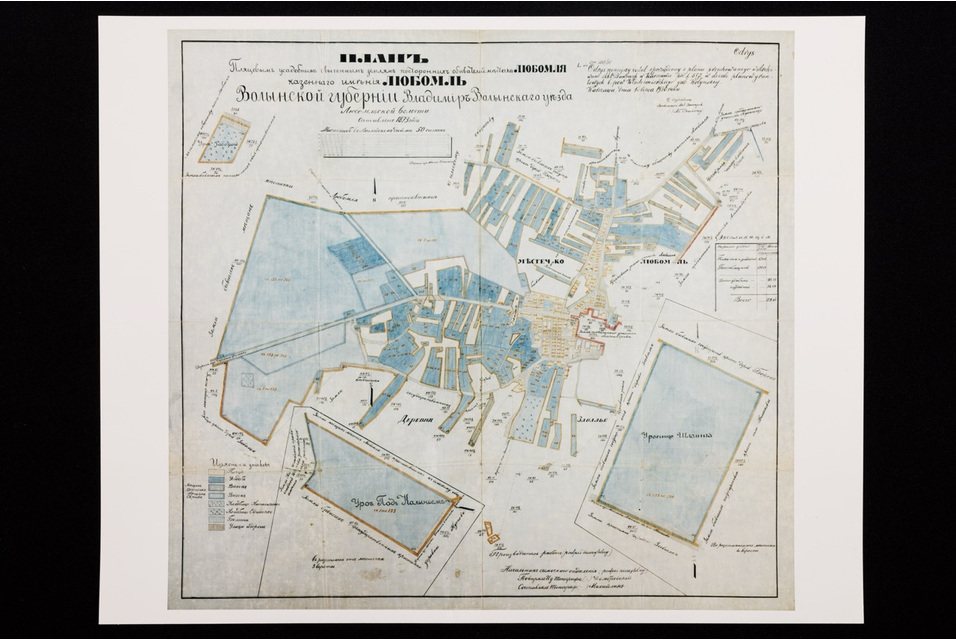
Highlights include a banjo signed by Woody Guthrie, Pete Seeger and more than 260 others, and a portable recorder recovered from a shipwreck. Also on view is a Houma palm-leaf basket reflecting the revival of an Indigenous weaving tradition, and a sewing machine used by volunteers to make panels for the AIDS Memorial Quilt. The exhibition also features several rare maps of the Polish town of Luboml, including an 1873 map and one drawn from memory depicting the town as it looked in 1939.

A national institution established by legislation in 1976
"Alive in Many Hands" marks the 50th anniversary of the American Folklife Center. Established by an act of the U.S. Congress in 1976, the Center exists to safeguard and present the folklife of the United States. Today it documents and shares expressive human experience from communities across the nation and around the world, sustaining living traditions while widening public access to cultural memory.
Nicole Saylor, director of the American Folklife Center, says they hope visitors leave with a deeper understanding that folklore is the bedrock of the American experience. She notes that folklore reflects the living exchange of cultural forms and ideas — shaping and reshaping the country, and offering a way for people to see themselves, their families and their communities.
Six sections: from collecting to passing on
Drawn entirely from the American Folklife Center’s rich holdings, the exhibition stresses that folklore is not merely something preserved from the past, but a continuously evolving practice shaped by communities today. People share folklore through stories, music, objects and recordings — vessels that hold human knowledge and experience.
Organised around six sections, the show moves from the traditional collecting and sharing of folklore to how people experience, adapt and sustain these traditions across generations and communities. For those who document and study intangible heritage, this structure offers a clear framework — collecting, sharing, experiencing, adapting and sustaining — forming a complete chain of living transmission. SEEEEART will continue to follow international practices in exhibiting folklore and intangible cultural heritage.
Disclaimer: Except for original works, the articles, images, videos and music used on this platform belong to their respective rights holders. Due to unavoidable circumstances, some content may be used without proper attribution. If you are a rights holder and your work has been used without permission or with incorrect credit, please contact us and we will correct it promptly. We are committed to maintaining a healthy creative environment.
